
AMR Gearbox Sourcing Update (2026-W28): 25% Tariff Risk on Drive Modules
W28 AMR gearbox sourcing update: Proclamation 11032 changes Section 232 duty exposure for steel, aluminum, and copper derivative drive modules.
Decision-Level Conclusion (W28): Reassess imported AMR gearboxes and integrated drive modules before quoting Q3 programs. Effective June 8, 2026, Proclamation 11032 changed Section 232 treatment for listed steel, aluminum, and copper products and derivative articles. The buyer risk is no longer only raw metal cost; for many listed derivative products, the duty can attach to the imported article value, with special regional, USMCA, and U.S.-origin-content rules.
For AMR OEM engineers, robotics integrators, procurement managers, and automation program owners, the practical question is simple: can the gearbox supplier prove the HTS classification, origin, metal content, and U.S.-content treatment behind each landed-cost quote? Planetary, cycloidal, and harmonic reducers are high-value mechanical parts, so a duty applied to the imported assembly rather than only to raw metal content can overwhelm normal reducer price differences.
What Changed (Last 30 Days)
The Section 232 tariff structure was modified by Proclamation 11032 to tighten treatment of aluminum, steel, and copper products and derivative articles. The proclamation lists a 50% duty for products made of those metals, a 25% duty for derivative products that tend to be predominantly composed of those metals, and a temporarily reduced 15% duty for selected fixed industrial machinery, power equipment, agricultural equipment, and certain HVAC products.
As of June 8, 2026, the listed Annex I-C products are subject to the new treatment through HTSUS Chapter 99 modifications. For gearbox buyers, the commercial effect depends on the exact imported configuration. A bare reducer, a motorized wheel drive, and a controller-integrated smart drive can land in different evidence buckets even when they serve the same AMR wheel axis.
The proclamation also adds a material-content rule that matters for documentation: metal content is deemed composed entirely of qualifying U.S. aluminum, steel, or copper when those qualifying metals account for at least 85% by weight of the aluminum, steel, and copper in the product. That is not a blanket "15% exemption" for all low-metal products; it is a content-accounting rule that buyers should validate with a customs broker.
Furthermore, USTR has July 6-7, 2026 public hearings in active Section 301 matters, while the temporary Section 122 import surcharge created by Proclamation 11012 is scheduled to expire on July 24, 2026. Treat July as a duty-regime transition window, not as a guaranteed cost decrease.
Tariff Tiers and The 85% Content Rule
Proclamation 11032 creates a tiered duty structure that forces AMR teams to track the exact imported article, origin, and restricted-metal content in each drivetrain quote. The most important engineering takeaway is not "make the gearbox lighter." It is "make the evidence auditable."
| Tariff Rate | Article Classification under Proc. 11032 | Impact on AMR Gearbox & Drivetrain Components |
|---|---|---|
| Regional / preferential rules | EU, UK, Japan, Korea, Taiwan, Switzerland, Liechtenstein, Argentina, Ecuador, El Salvador, and Guatemala products use Column 1 duty logic to determine the added Section 232 rate. | A European or Japanese reducer quote may not have the same Section 232 add-on as a China or general third-country quote. Confirm by HTS line, not supplier geography alone. |
| 10% treatment | Derivative articles whose aluminum or steel content is entirely qualifying U.S. aluminum or steel under the proclamation language. | A supplier claiming low duty exposure needs traceable melt/pour or smelt/cast evidence, not only a country-of-assembly statement. |
| 25% Tariff | Listed derivative products that tend to be predominantly composed of aluminum, steel, or copper, unless a lower clause applies. | Integrated AMR drive modules are the highest-risk quote line because electronics, motor, brake, encoder, and gearbox can be imported as one higher-value article. |
| 50% Tariff | Products made of the covered metals under the broader Section 232 regime. | More relevant to raw brackets, gear blanks, housings, and metal-intensive subcomponents than to every finished AMR drive. |
Cost Impact Model: Raw Material Value vs. Full Customs Value
| Cost Component | Legacy Tariff Model (Pre-June 8) | New Model (Proclamation 11032) | Impact on $1,000 AMR Drive Module |
|---|---|---|---|
| Base Module Value | $1,000 | $1,000 | Baseline |
| Raw Metal Assessed Value | ~$50 (5% of total) | N/A | N/A |
| Tariff Applied To | Raw Metal Value or metal-content exposure | Imported article value if the classified article is covered | Massive base shift |
| Effective 25% Tariff | $12.50 | $250.00 | +1,900% tariff increase |
| Total Landed Cost | $1,012.50 | $1,250.00 | Immediate margin erosion for OEMs |
Why It Matters for AMR Buyers
This matters because drivetrain selection is usually optimized around efficiency, noise, backlash, lifetime, lead time, and unit price. A tariff applied to the imported drive module can move a technically preferred integrated package from "best total cost" to "unusable margin" even when the reducer itself has not changed.
The page scope is AMR gearbox modules sold into United States, European Union, and Asia-Pacific mobile robotics supply chains where the buyer imports into the United States or competes against U.S.-landed pricing. It is not legal advice, and it does not determine final duty liability for any HTS code, country of origin, or entry line.
Who Should Act Now (Impact on Buyers / Importers)
The cost inversion can change how AMR OEMs approach drivetrain architecture.
- Integrated Drive Sourcing: OEMs buying "all-in-one" smart wheel drives (motor + gearbox + controller + brake) have the highest exposure because the classified imported article can include electronics and control value, not only steel or aluminum parts.
- Disaggregated Architecture: There is now a financial reason to compare integrated sourcing against separate motor, gearbox, controller, and brake sourcing under broker-reviewed HTS codes, or against USMCA-region assembly.
- Harmonic and Cycloidal Penalties: High-ratio, low-backlash reducers carry higher machining and quality-control value. If covered as a high-value imported article, the duty impact can erase the normal performance premium versus commodity planetary gears.
Risks and Evidence Gaps: Sourcing Boundaries
This supply-chain shock is bounded by specific HTS, origin, value, and material constraints. It is critical not to overreact without analyzing your exact BOM and entry treatment.
| Risk Factor | The Evidence Gap & Constraint | Buyer Mitigation Strategy |
|---|---|---|
| Weight and Content Verification | Marketing spec sheets rarely prove the proclamation's qualifying U.S. metal-content rules or the 85% by-weight test for covered metals. | Require a certified BOM and origin pack showing steel, aluminum, and copper weights plus melt/pour or smelt/cast evidence where claimed. |
| Copper Inclusion | Proc. 11032 covers copper alongside steel and aluminum. Integrated motors have copper windings that can change the product's evidence profile. | Model the motor, gearbox, brake, and controller as separate quote lines before deciding whether integration is still worth the landed-cost exposure. |
| Origin of Materials | Country of assembly is not the same as melt/pour, smelt/cast, U.S. content, or preferential-origin treatment. Tier 2 suppliers often obscure this. | Demand origin certificates and preserve supplier declarations with the purchase order and entry documents. |
| HTS Classification | CBP determines final applicability based on the exact HTS code and the entry facts at the border. | Do not guess. Have a customs broker issue a written classification memo or binding ruling request for your specific integrated drive modules. |
| Policy Volatility | Trade policy is currently handled via executive order and can be overridden rapidly. | Avoid signing 3-year locked-price supply agreements based on today's rates without a tariff-fluctuation clause. |
Disclaimer: This update reflects the trade environment as of July 6, 2026. We are not providing legal, customs, or tax advice. Final tariff applicability is determined by CBP and the entry-specific facts.
Action Checklist
For supply chain leaders and engineering managers handling AMR drivetrains:
- Audit HTS Codes: Immediately review all incoming AMR gearboxes, motors, and integrated drives for Chapter 84/85 derivative classifications.
- Request BOM Transparency: Demand detailed Bills of Material (BOM), country-of-origin statements, and melt/pour or smelt/cast evidence for steel, aluminum, and copper subcomponents.
- Evaluate Nearshoring: Run a financial model comparing the new duty-exposed landed cost of imported modules against U.S.-assembled or USMCA-region assembled alternatives.
- Decouple Procurement: Investigate the engineering cost of separating the motor controller from the mechanical gearbox to reduce the total taxable customs value of the mechanical component.
- Add Tariff Reopeners: Add quote validity dates and duty-change clauses to drivetrain contracts signed before the July 24, 2026 Section 122 deadline.
Related Engineering Pages
- AMR Gearbox RFQ Template for Faster Technical Evaluation - Add HTS, origin, BOM, and tariff-change fields to new RFQs.
- Planetary vs Cycloidal vs Harmonic for AMR - Re-evaluate reducer type after landed-cost and duty exposure are separated from performance fit.
- Compact Gearbox Selection for Sub-300mm AMR Chassis - Check whether disaggregating the drivetrain still fits the chassis and service envelope.
- Gearbox Efficiency vs. AMR Battery Life - Keep drivetrain efficiency in the decision model so tariff avoidance does not create higher operating cost.
- Warehouse AMR Solutions - Map duty exposure to the actual operating profile, payload, and deployment region.
FAQ
Q: Are all AMR gearboxes affected by Proclamation 11032? A: No. Applicability depends on HTS classification, country and material origin, U.S.-content treatment, and whether the imported article appears in the covered lists. Treat every imported reducer and integrated drive as a broker-reviewed line item.
Q: Why is an integrated smart drive taxed more heavily than a bare gearbox? A: It may be exposed to a larger duty base because the imported article can include the gearbox, motor, encoder, brake, controller, and software-bearing electronics under one customs entry. Separating quote lines lets the broker classify and value each component more precisely.
Q: What happens if the USTR updates Section 301 after the July hearings? A: Section 232 and Section 301 duties can stack when the same entry line is covered by both regimes. Do not assume July 24 produces a price drop; use tariff reopeners and quote validity windows until the Section 301 and Section 122 outcomes are clear.
Sources
- Federal Register (federalregister.gov): Proclamation 11032 — Further Adjusting the Tariff Regimes for Imports of Aluminum, Steel, and Copper Into the United States — Published June 4, 2026; effective June 8, 2026; establishes the 50%, 25%, 15%, regional, USMCA, and 85%-content rules discussed above.
- Federal Register (federalregister.gov): USTR Section 301 forced-labor actions notice — Lists July 6-7, 2026 public hearings in active Section 301 matters that may affect import-duty planning.
- Federal Register (federalregister.gov): Proclamation 11012 — Temporary Import Surcharge under Section 122 — Effective February 24, 2026 and scheduled to expire July 24, 2026 unless extended by Congress.
- U.S. Customs and Border Protection (cbp.gov): Section 232 tariffs on aluminum and steel — CBP program page for entry handling and importer compliance; confirm the final duty stack with a licensed customs broker.
Frequently Asked Questions
Are all AMR gearboxes affected by Proclamation 11032?
No. Applicability depends on HTS classification, country and material origin, U.S.-content treatment, and whether the imported article appears in the covered lists. Treat every imported reducer and integrated drive as a broker-reviewed line item.
Why can an integrated smart drive carry higher tariff exposure than a bare gearbox?
An integrated import can include the gearbox, motor, encoder, brake, controller, and electronics under one customs entry. Separating quote lines lets the broker classify and value each component more precisely.
What happens if USTR updates Section 301 after the July hearings?
Section 232 and Section 301 duties can stack when the same entry line is covered by both regimes. Do not assume July 24 produces a price drop; use tariff reopeners and quote validity windows until Section 301 and Section 122 outcomes are clear.
Author
Categories
Need an AMR Gearbox Recommendation?
Reference this article and share your constraints. Our team replies via [email protected].
More Posts
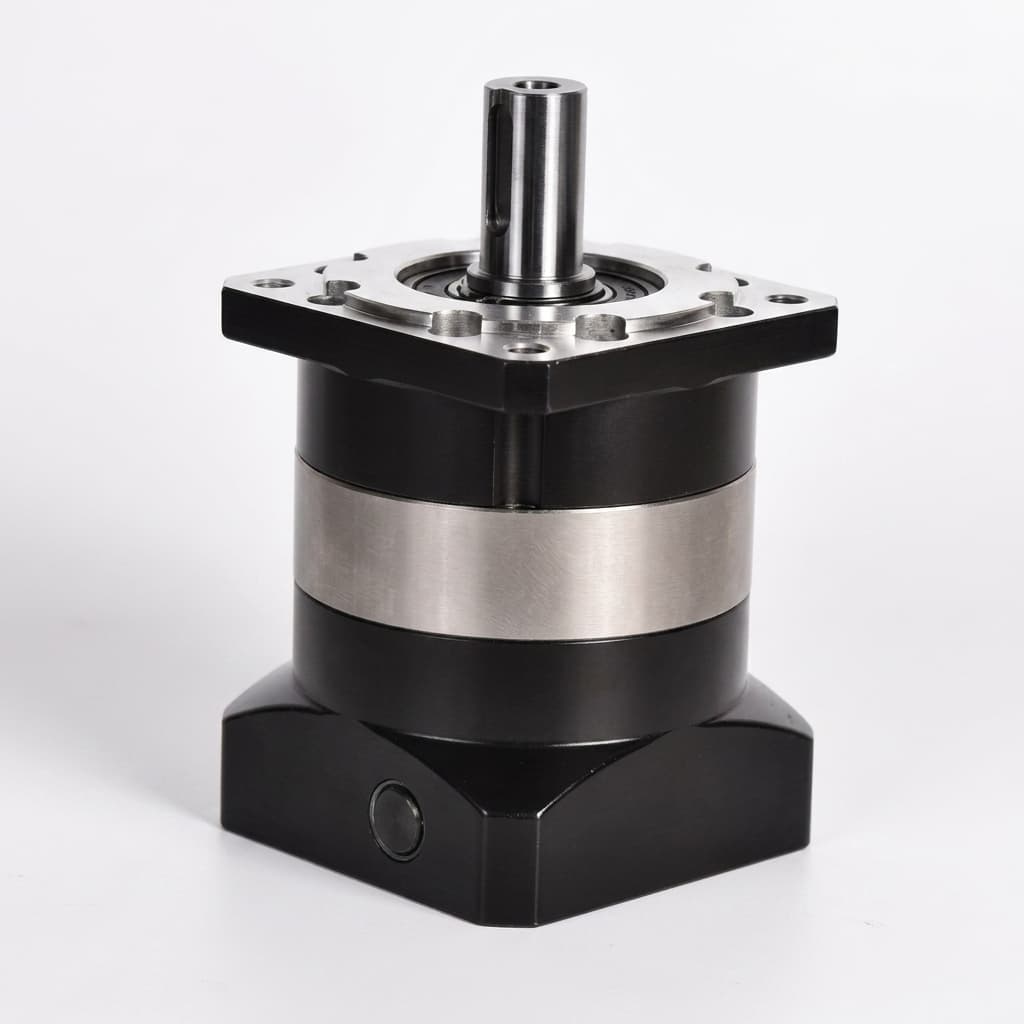
Integrated Drive Modules vs. Standalone Gearboxes: An AMR Procurement Guide
Compare integrated drive modules and standalone AMR gearboxes with TCO, sourcing-risk, safety, and RFQ checks. Request drivetrain sizing support today.

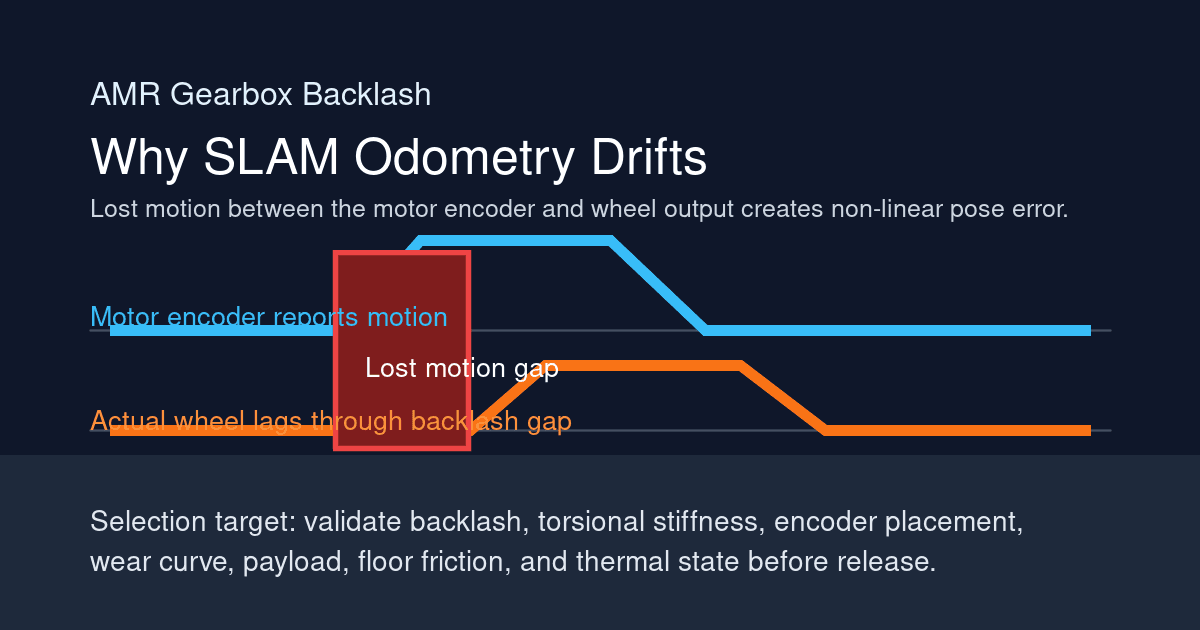
Solving SLAM Odometry Errors: How Gearbox Backlash Impacts AMR Navigation
How AMR gearbox backlash creates odometry drift, when SLAM can compensate, and what drivetrain specs engineers should request before buying.
AMR Gearbox Market Update (2026-W25): The July 24 Section 122 Clock Now Sets Reducer RFQ and Landed-Cost Strategy
AMR gearbox market update: the July 24 Section 122 clock, May 7 CIT ruling, and ISO/DIS 25268 reshape reducer landed cost and healthcare-AMR sourcing.